
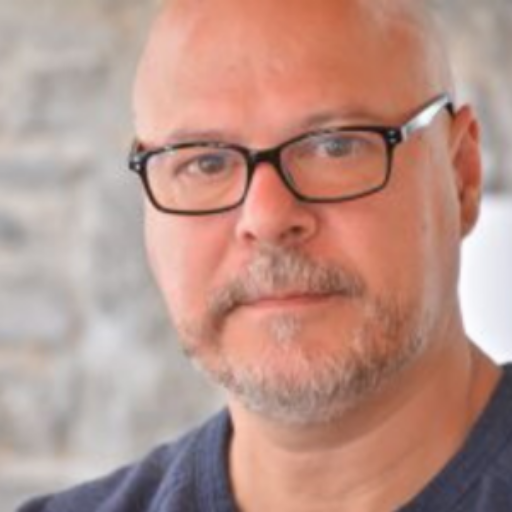
Bruno Choiniere
Retired Chiropractic Practitioner
→ 30+ Years of Clinical Experience in Spinal Health
Specialties
- Chronic spinals disorders
- Spinal biomechanics
- Neuromuscular Protective Response
My background
Early in my life, I lived with constant back and neck pain and a fatigue that never truly left.
My father, a chiropractor, taught me that the body can heal itself when there is no nerve interference. His treatments helped—but the pain always returned.
Determined to find a real, lasting solution, I studied chiropractic science to understand my own condition.
After years of research and clinical experience, four defining breakthroughs led me to develop a simple, practical, and affordable method designed to create lasting change—not temporary relief.
Early in my life, I lived with constant back and neck pain and a fatigue that never truly left.
My father, a chiropractor, taught me that the body can heal itself when there is no nerve interference. His treatments helped—but the pain always returned.
Determined to find a real, lasting solution, I studied chiropractic science to understand my own condition.
After years of research and clinical experience, four defining breakthroughs led me to develop a simple, practical, and affordable method designed to create lasting change—not temporary relief.
1st Breakthrough
A few years into practice, a woman came to see me with chronic low back pain.
She had spent thousands on treatments that helped temporarily—but the pain always returned.
Unlike most chronic patients, her spine wasn’t stiff. It was flexible.
When I gently restored her lumbar curve to a very precise position, something remarkable happened.
Instantly, the muscles along her entire back relaxed.
Her pain disappeared.
- That moment revealed a breakthrough: spinal curvature directly influences the nervous system.
When we stand or work, the body tightens the spinal muscles to protect itself—like turning the spine into a rigid rod.
But when the lumbar curve returns to its optimal position, the muscles release, circulation improves, inflammation decreases, and the body shifts into repair mode.
That is when real healing begins.
2nd Breakthrought
One day, a plumber came to see me.
He had two herniated discs and severe numbness in both legs. For three years, he hadn’t been able to work in his own company.
At the time, I was using a technique to strengthen disc fibers by gently stretching them. He improved—but remained fragile and unable to lift.
When progress stops, you must rethink your approach.
Inspired by the body’s survival reflex, I tried something unconventional:
With his lumbar curve restored, I asked him to gently arch his lower back to a tolerable level, then consciously relax his muscles while breathing deeply—just two minutes a day.
Over the next three months, he experienced temporary flare-ups followed by clear improvement each time.
Then one day, he told me he was back at work—lifting again.
That case became my second breakthrough.
- It confirmed that under the right mechanical and neurological conditions, the body can activate its own ability to repair spinal discs.
3rd Breakthrough
After these two breakthroughs, I searched the market for a cushion that could both preserve the natural curve of the lower back and trigger the reflex that activates the body’s self-repair mechanisms.
I couldn’t find one.
My mother was a seamstress. Watching her craft garments taught me something essential: to truly fit the lower back, a cushion must respect its gradual depth. It cannot be flat. It must slowly taper upward to match the spine’s natural architecture.
So in 2002, while still in practice, I designed my first cushion.
As I observed how my patients responded to its shape, I made another crucial discovery:
- The body is constantly trying to diffuse pressure on the skin. The reason is simple.
- Concentrated pressure on a small area compresses the capillaries and restricts blood flow.
- The body reacts immediately to protect the tissues from damage.
And that is why, on a flat backrest, the lower back instinctively flattens.
It’s not random.
It’s protective.
- But that protective response keeps the body locked in defense mode — preventing the body's self-repair mechanisms.
4th Breakthrough
Then something incredible happened. Patients with even severe back problems, who used the cushion daily, began to recover faster and regain the natural strength of their backs.
This phenomenon confirmed what I had long suspected:
- Damaged spinal discs—even herniated ones—can heal.
- But only when the lower back is supported and maintained daily in its natural curve.
It wasn’t just relief. It was proof that the body’s self-repair mechanisms could truly be activated.
Since then, I’ve used this method with thousands of people — and time and again, I’ve seen the same rapid recoveries.
A few years into practice, a woman came to see me with chronic low back pain.
She had spent thousands on treatments that helped temporarily—but the pain always returned.
Unlike most chronic patients, her spine wasn’t stiff. It was flexible.
When I gently restored her lumbar curve to a very precise position, something remarkable happened.
Instantly, the muscles along her entire back relaxed.
Her pain disappeared.
- That moment revealed a breakthrough: spinal curvature directly influences the nervous system.
When we stand or work, the body tightens the spinal muscles to protect itself—like turning the spine into a rigid rod.
But when the lumbar curve returns to its optimal position, the muscles release, circulation improves, inflammation decreases, and the body shifts into repair mode.
That is when real healing begins.
2nd Breakthrought
One day, a plumber came to see me.
He had two herniated discs and severe numbness in both legs. For three years, he hadn’t been able to work in his own company.
At the time, I was using a technique to strengthen disc fibers by gently stretching them. He improved—but remained fragile and unable to lift.
When progress stops, you must rethink your approach.
Inspired by the body’s survival reflex, I tried something unconventional:
With his lumbar curve restored, I asked him to gently arch his lower back to a tolerable level, then consciously relax his muscles while breathing deeply—just two minutes a day.
Over the next three months, he experienced temporary flare-ups followed by clear improvement each time.
Then one day, he told me he was back at work—lifting again.
That case became my second breakthrough.
- It confirmed that under the right mechanical and neurological conditions, the body can activate its own ability to repair spinal discs.
3rd Breakthrough
After these two breakthroughs, I searched the market for a cushion that could both preserve the natural curve of the lower back and trigger the reflex that activates the body’s self-repair mechanisms.
I couldn’t find one.
My mother was a seamstress. Watching her craft garments taught me something essential: to truly fit the lower back, a cushion must respect its gradual depth. It cannot be flat. It must slowly taper upward to match the spine’s natural architecture.
So in 2002, while still in practice, I designed my first cushion.
As I observed how my patients responded to its shape, I made another crucial discovery:
- The body is constantly trying to diffuse pressure on the skin. The reason is simple.
- Concentrated pressure on a small area compresses the capillaries and restricts blood flow.
- The body reacts immediately to protect the tissues from damage.
And that is why, on a flat backrest, the lower back instinctively flattens.
It’s not random.
It’s protective.
- But that protective response keeps the body locked in defense mode — preventing the body's self-repair mechanisms.
4th Breakthrough
Then something incredible happened. Patients with even severe back problems, who used the cushion daily, began to recover faster and regain the natural strength of their backs.
This phenomenon confirmed what I had long suspected:
- Damaged spinal discs—even herniated ones—can heal.
- But only when the lower back is supported and maintained daily in its natural curve.
It wasn’t just relief. It was proof that the body’s self-repair mechanisms could truly be activated.
Since then, I’ve used this method with thousands of people — and time and again, I’ve seen the same rapid recoveries.
One day, a plumber came to see me.
He had two herniated discs and severe numbness in both legs. For three years, he hadn’t been able to work in his own company.
At the time, I was using a technique to strengthen disc fibers by gently stretching them. He improved—but remained fragile and unable to lift.
When progress stops, you must rethink your approach.
Inspired by the body’s survival reflex, I tried something unconventional:
With his lumbar curve restored, I asked him to gently arch his lower back to a tolerable level, then consciously relax his muscles while breathing deeply—just two minutes a day.
Over the next three months, he experienced temporary flare-ups followed by clear improvement each time.
Then one day, he told me he was back at work—lifting again.
That case became my second breakthrough.
- It confirmed that under the right mechanical and neurological conditions, the body can activate its own ability to repair spinal discs.
3rd Breakthrough
After these two breakthroughs, I searched the market for a cushion that could both preserve the natural curve of the lower back and trigger the reflex that activates the body’s self-repair mechanisms.
I couldn’t find one.
My mother was a seamstress. Watching her craft garments taught me something essential: to truly fit the lower back, a cushion must respect its gradual depth. It cannot be flat. It must slowly taper upward to match the spine’s natural architecture.
So in 2002, while still in practice, I designed my first cushion.
As I observed how my patients responded to its shape, I made another crucial discovery:
- The body is constantly trying to diffuse pressure on the skin. The reason is simple.
- Concentrated pressure on a small area compresses the capillaries and restricts blood flow.
- The body reacts immediately to protect the tissues from damage.
And that is why, on a flat backrest, the lower back instinctively flattens.
It’s not random.
It’s protective.
- But that protective response keeps the body locked in defense mode — preventing the body's self-repair mechanisms.
4th Breakthrough
Then something incredible happened. Patients with even severe back problems, who used the cushion daily, began to recover faster and regain the natural strength of their backs.
This phenomenon confirmed what I had long suspected:
- Damaged spinal discs—even herniated ones—can heal.
- But only when the lower back is supported and maintained daily in its natural curve.
It wasn’t just relief. It was proof that the body’s self-repair mechanisms could truly be activated.
Since then, I’ve used this method with thousands of people — and time and again, I’ve seen the same rapid recoveries.
I couldn’t find one.
My mother was a seamstress. Watching her craft garments taught me something essential: to truly fit the lower back, a cushion must respect its gradual depth. It cannot be flat. It must slowly taper upward to match the spine’s natural architecture.
So in 2002, while still in practice, I designed my first cushion.
As I observed how my patients responded to its shape, I made another crucial discovery:
- The body is constantly trying to diffuse pressure on the skin. The reason is simple.
- Concentrated pressure on a small area compresses the capillaries and restricts blood flow.
- The body reacts immediately to protect the tissues from damage.
And that is why, on a flat backrest, the lower back instinctively flattens.
It’s not random.
It’s protective.
- But that protective response keeps the body locked in defense mode — preventing the body's self-repair mechanisms.
4th Breakthrough
Then something incredible happened. Patients with even severe back problems, who used the cushion daily, began to recover faster and regain the natural strength of their backs.
This phenomenon confirmed what I had long suspected:
- Damaged spinal discs—even herniated ones—can heal.
- But only when the lower back is supported and maintained daily in its natural curve.
It wasn’t just relief. It was proof that the body’s self-repair mechanisms could truly be activated.
Since then, I’ve used this method with thousands of people — and time and again, I’ve seen the same rapid recoveries.
This phenomenon confirmed what I had long suspected:
- Damaged spinal discs—even herniated ones—can heal.
- But only when the lower back is supported and maintained daily in its natural curve.
It wasn’t just relief. It was proof that the body’s self-repair mechanisms could truly be activated.
Since then, I’ve used this method with thousands of people — and time and again, I’ve seen the same rapid recoveries.
Privacy Policy Disclaimer of Liability Terms of Use Legal Notice Return Policy ✨
© 2026 BRUNAULT INC. All Rights Reserved | brunaultinc@gmail.com